
The Reptile & Amphibian Encyclopedia
Every known species of reptile and amphibian, assembled from named scientific datasets. Every figure on every entry says how it was arrived at, how many independent sources hold it, and whether they agree. Where nobody has recorded something, the entry says that instead of leaving a gap.
Somewhere to start

Drawn from the 9,968 entries that carry a photograph, a common name and enough recorded facts to stand on their own. The other 11,604 are reachable through the index, and many of them hold very little — which is the state of the science, not a gap in the work.
Entries
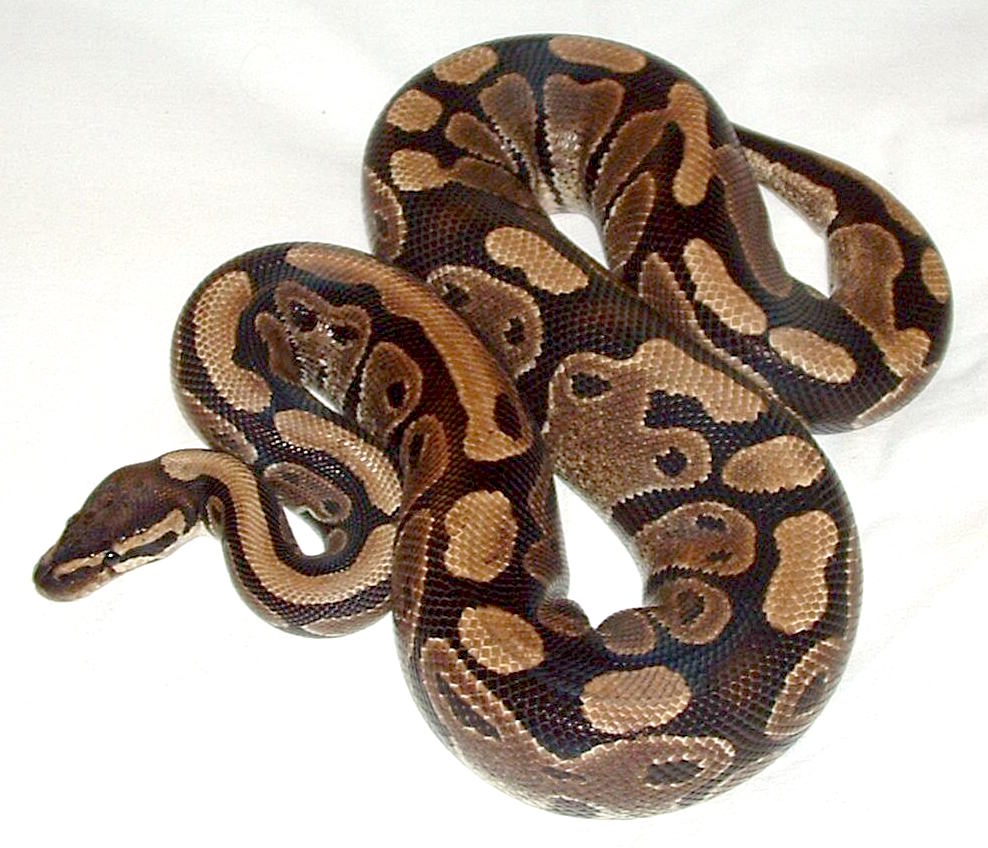

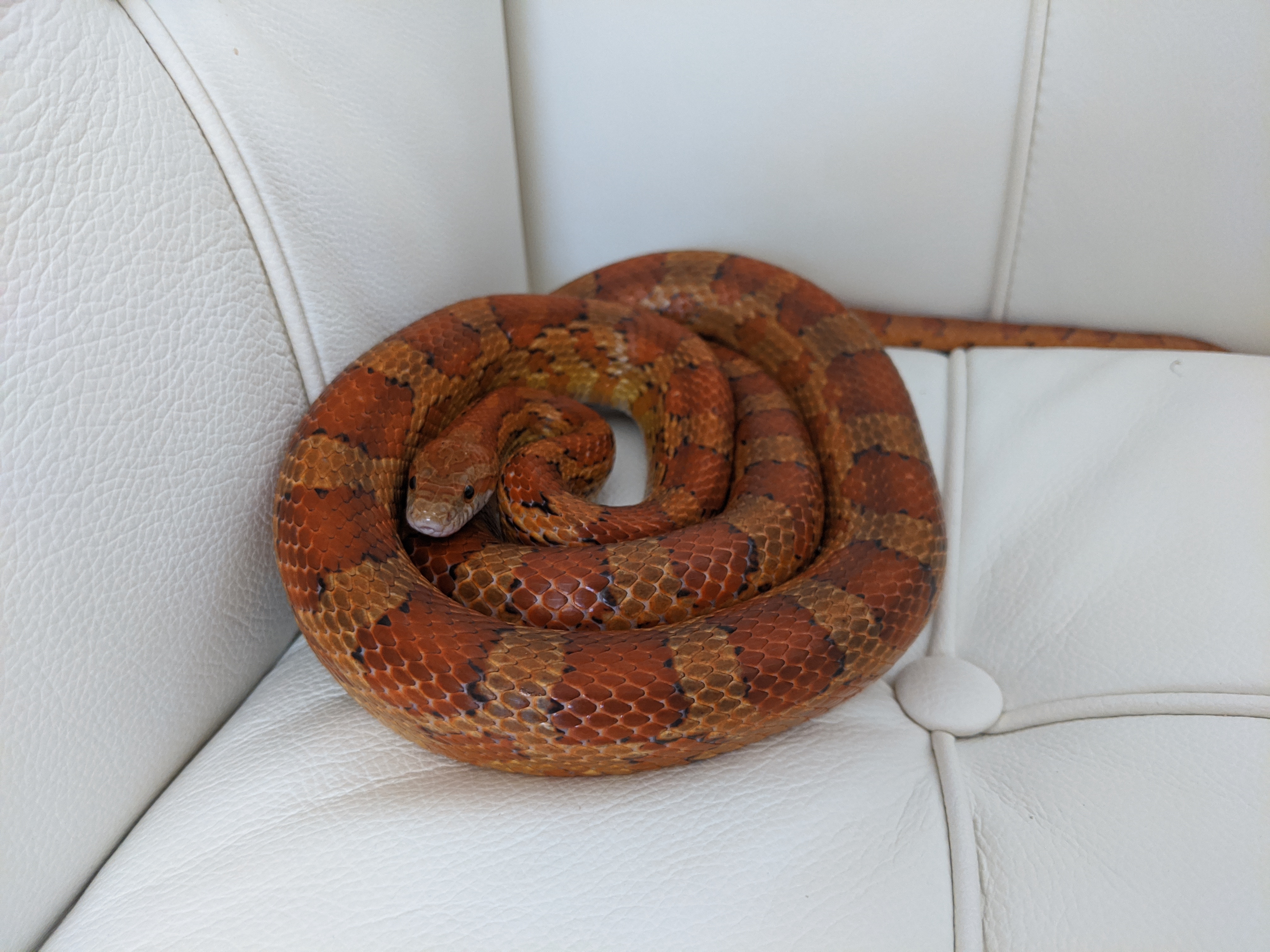
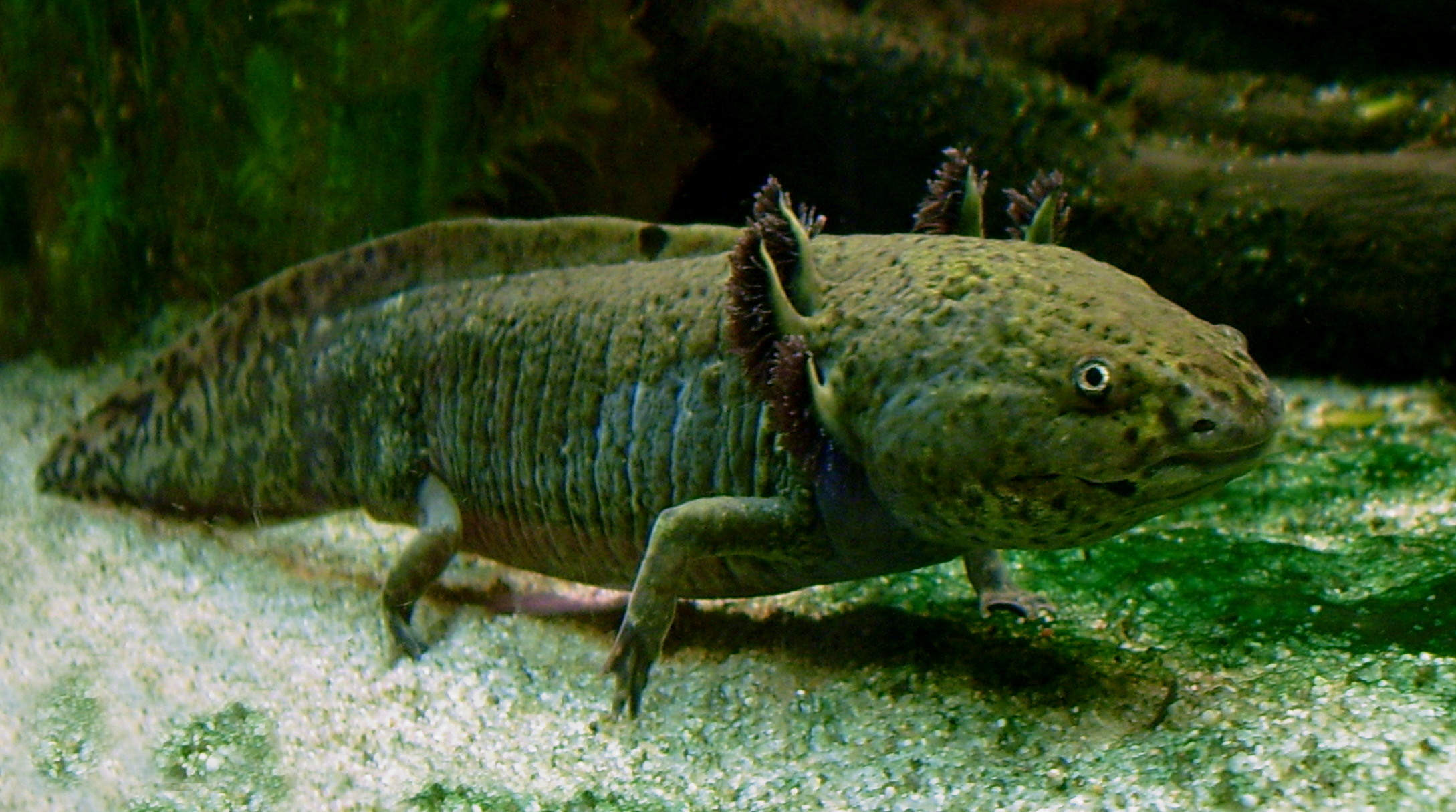


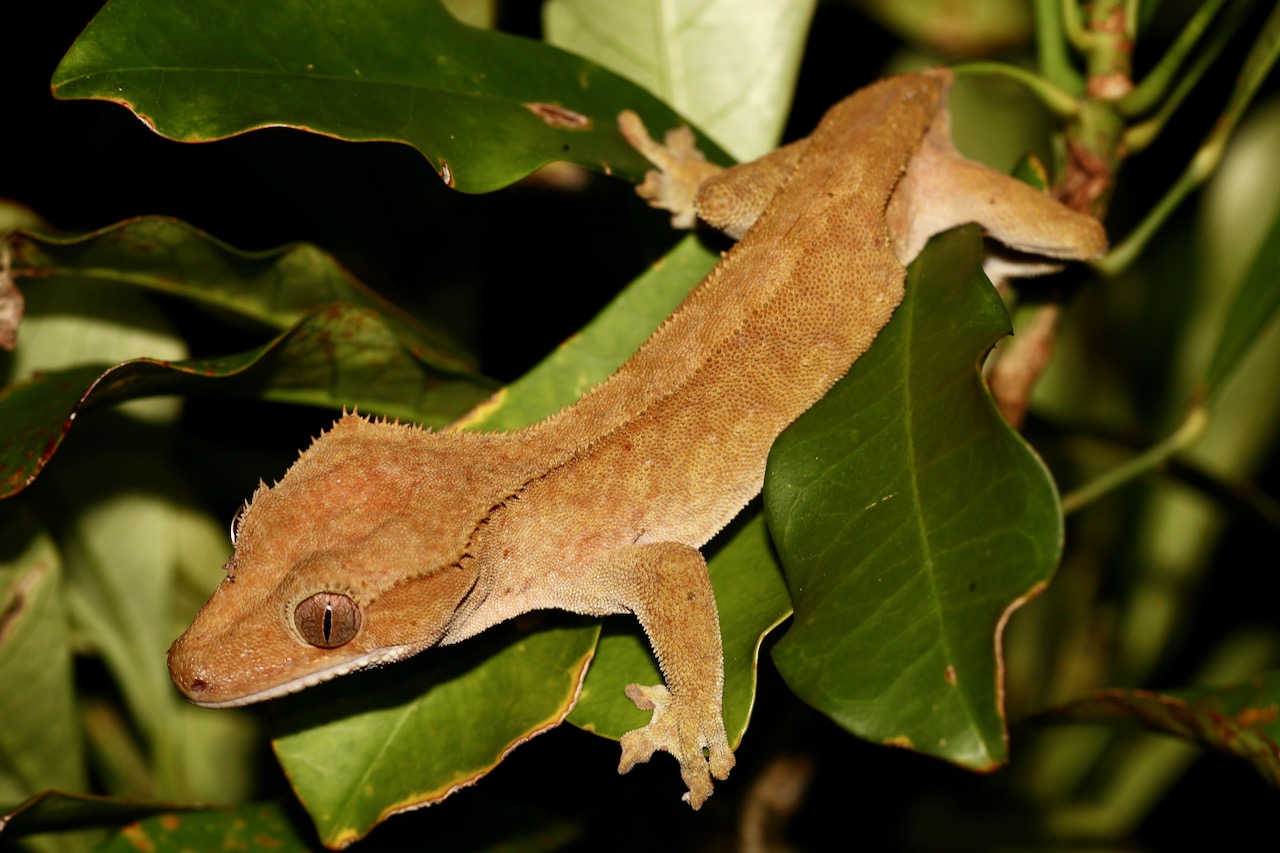

Ways in
What is in it
The pale bar is how many species the order holds. The solid bar inside it is how many anyone has photographed under a license that permits reuse.
- Squamatalizards & snakes12,2517,167 photographedBrowse lizards & snakes→
- Anurafrogs & toads7,8684,086 photographedBrowse frogs & toads→
- Caudatasalamanders & newts828513 photographedBrowse salamanders & newts→
- Testudinesturtles & tortoises370337 photographedBrowse turtles & tortoises→
- Gymnophionacaecilians22786 photographedBrowse caecilians→
- Crocodyliacrocodiles & alligators2727 photographedBrowse crocodiles & alligators→
- Rhynchocephaliathe tuatara11 photographedBrowse the tuatara→
Rhynchocephalia is a whole order with one living species left in it.
What is actually known
- 478,245
- sourced facts, each carrying where it came from
- 129,446
- of those are held by two or more independent datasets
- 4,297
- come from an animal somebody actually weighed or measured
- 12,217
- species have a photograph — 57% of the work
- 4,488
- older names still lead to the animal they now belong to
- 344
- morphs, of which a majority get no breeding odds at all
Assembled from six named scientific datasets, each credited on every entry that uses it. Nothing here was written by a language model: every sentence on an entry is built from stored values, so a fact that is not in a dataset does not appear. How this is made.