
Introduction to Mealworms and Springtails
|
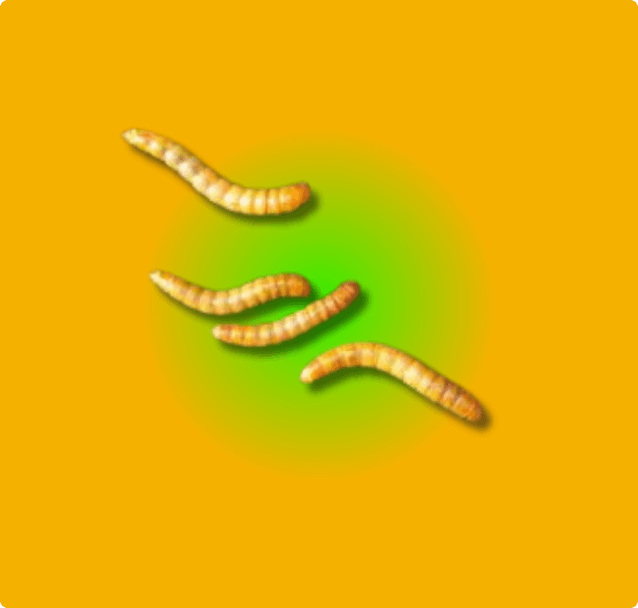
Mealworms and springtails are small yet highly beneficial creatures commonly used in the care of reptiles and amphibians. Understanding their unique characteristics, roles, and care requirements can help reptile owners provide a healthier and more naturalistic environment for their pets.
Mealworms, which are the larval stage of the darkling beetle (Tenebrio molitor), are widely recognized as a reliable source of nutrition for insectivorous reptiles. Measuring approximately one to two inches in length, these larvae are rich in protein and fats, making them a staple feeder insect in reptile diets. Their hard exoskeleton, made from chitin, offers a source of fiber, though it can be difficult for smaller or juvenile reptiles to digest. Mealworms thrive in dry and warm environments, typically requiring grain-based bedding and periodic supplementation with fresh vegetables for moisture and nutrition. Their relatively slow movement makes them easy to manage, but it can also reduce stimulation for reptiles accustomed to hunting more active prey.
Springtails, by contrast, are tiny, soft-bodied arthropods that play an entirely different role in a terrarium ecosystem. Measuring less than one-tenth of an inch, springtails are detritivores, consuming mold, decaying organic matter, and waste. They are a foundational element in bioactive enclosures, where they contribute to maintaining cleanliness and reducing harmful bacteria. Springtails reproduce rapidly in moist environments and require substrates such as coconut coir or charcoal to thrive. Unlike mealworms, they pose no nutritional value for reptiles due to their size, but their ecological benefits cannot be overstated.
While mealworms serve as an accessible dietary option, and springtails function as natural cleaners, their integration into reptile care hinges on understanding their distinct contributions. This clarity helps owners design more efficient and sustainable setups tailored to their reptile’s needs.
Why Are Mealworms and Springtails Important for Reptile Owners?
Mealworms and springtails play crucial roles in maintaining the health and well-being of reptiles, as well as the environment of their enclosures. Each serves a distinct function, catering to different aspects of reptile care, from nutrition to enclosure hygiene.
Benefits of Mealworms
Mealworms are a popular feeder insect that provides essential nutrients to reptiles with insectivorous diets. These larvae are a rich source of protein and fats, which are fundamental for energy, growth, and muscle development. Their small size makes them suitable for a variety of reptiles, from juvenile lizards to smaller amphibians. Additionally, mealworms are widely available, easy to store, and can be gut-loaded with nutritious food to enhance their nutritional value for reptiles. This allows reptile owners to provide tailored nourishment based on their specific pet’s dietary needs.
Despite their benefits, mealworms should be fed in moderation. Their hard exoskeleton, made of chitin, can be challenging for some reptiles to digest if offered in excessive amounts. Therefore, combining them with softer feeder insects such as crickets or waxworms creates a more balanced diet.
Importance of Springtails
Springtails, on the other hand, are primarily valued for their role as natural decomposers in bioactive terrariums. These minuscule arthropods consume decaying organic matter, including shed skin, feces, and mold, helping maintain a clean and healthy enclosure. By reducing waste buildup, springtails prevent harmful bacteria and fungi from thriving, ultimately safeguarding the reptile’s health.
Springtails are also essential for controlling humidity levels in terrariums. They thrive in moist environments, contributing to the ecological balance that many reptiles require. Their presence not only ensures cleanliness but also fosters a healthier, more natural habitat that mimics the reptile’s native environment.
Complementary Roles
Together, mealworms and springtails serve complementary purposes. Mealworms address dietary requirements, while springtails improve enclosure hygiene and care. Understanding their respective benefits enables reptile owners to create both a nutritious diet and a thriving ecosystem.
Nutritional Benefits of Mealworms for Reptiles
Mealworms are a popular feeder choice for reptiles due to their high nutritional value, providing essential nutrients that support the health and vitality of captive animals. These larvae are an excellent source of protein, which plays a crucial role in muscle development, tissue repair, and overall growth in reptiles. For juvenile reptiles, the protein content in mealworms can be especially beneficial during rapid growth phases.
In addition to protein, mealworms supply significant amounts of fat, serving as a dense energy source. Fat reserves are particularly advantageous for reptiles prone to expending large amounts of energy during activity or reproduction. However, the relatively high fat content necessitates moderation in feeding, as excessive consumption could lead to obesity in certain reptile species.
Mealworms also contribute essential micronutrients. They are a natural source of vitamins such as B vitamins, which aid in metabolic functions, and minerals like iron and zinc, which support immune system function. They provide some calcium, but given reptiles’ need for this mineral, mealworms should be dusted with calcium powder or paired with other calcium-rich food sources to support healthy bone development and prevent metabolic bone disease.
Their chitin-rich exoskeleton provides dietary fiber, which may aid digestion in some reptiles, though for species with difficulty breaking down hard shells, younger, softer mealworms, such as mini mealworms, are often recommended. To maximize their nutritional value, mealworms should ideally be gut-loaded with nutrient-dense foods before being introduced to the reptile’s diet, ensuring better delivery of vitamins and minerals to the animal.
The adaptability of mealworms as feeder insects makes them a practical choice for various reptile species, from lizards to amphibians. Rotating them with other feeders ensures a balanced diet while addressing specific dietary needs.
The Role of Springtails in Reptile Enclosures
Springtails are tiny, soft-bodied arthropods that play a vital role in maintaining the health and cleanliness of reptile enclosures. These microorganisms are detritivores, meaning they primarily feed on decomposing organic matter, mold, and waste. This natural diet makes them highly efficient at breaking down debris, including uneaten food and fecal matter, which can quickly accumulate in a reptile’s habitat. By doing so, springtails contribute to a cleaner environment and help prevent the growth of harmful bacteria and fungi.
Within bioactive enclosures, which aim to replicate a self-sustaining ecosystem, springtails are considered essential members of the cleanup crew. Their presence reduces the need for frequent manual cleaning, allowing reptile owners to maintain more naturalistic and low-maintenance setups. Springtails thrive in moist substrates, making them particularly effective in enclosures for species like frogs, crested geckos, or anoles, where higher humidity levels are required. They can also coexist alongside other beneficial invertebrates, such as isopods, to further enhance the enclosure's ecological balance.
Another benefit of springtails is their ability to aerate and improve soil quality. As they burrow and move through the substrate, they help in circulating air and promoting healthy root growth for live plants. For reptiles housed in planted terrariums, this activity ensures plant health and vitality, indirectly benefiting the overall environment and the animal.
Springtails are low-maintenance in themselves, reproducing rapidly and requiring minimal intervention once established in an enclosure. To introduce them, owners can purchase springtail cultures and seed them into the substrate. Their population adjusts naturally based on the availability of food and moisture, ensuring they do not become invasive or overwhelming.
How to Properly Breed and Care for Mealworms
Mealworms are an excellent food source for many reptiles, offering high protein content and an easy-to-manage live prey option. Proper breeding and care of mealworms ensure a sustainable supply and maintain their nutritional value. Understanding their life cycle and habitat requirements is essential for success.
Setting Up the Habitat
- Choose a suitable container: A plastic bin or glass container with smooth, vertical sides is ideal. Ensure it has proper ventilation to prevent mold and moisture buildup.
- Add substrate: Fill the container with a one-to-three inch layer of substrate like wheat bran, rolled oats, or cornmeal. It serves dual purposes as bedding and food.
- Provide hiding spaces: Use egg cartons or cardboard pieces for shelter. Mealworms thrive when they have areas to burrow or hide.
- Maintain proper temperature and humidity: Mealworms require temperatures between 70°F and 85°F. A slightly dry environment is ideal, though providing moderate humidity prevents dehydration.
Feeding and Hydration
- Offer fresh vegetables like carrots, potatoes, or leafy greens as a moisture source. This eliminates the need for a separate water supply.
- Rotate food items every few days to avoid spoilage. Avoid highly acidic foods, as they can mold quickly.
- Ensure constant access to the dry substrate as their primary food source.
Breeding Mealworms
To breed successfully, focus on their full life cycle: egg, larva (mealworm), pupa, and adult beetle. Keep adult beetles in a separate container to prevent them from eating eggs. The eggs will hatch into larvae, which grow into the next generation of mealworms. Sifting the substrate regularly separates eggs and larvae from adult beetles.
Cleaning and Care
Remove shed skins, waste, and uneaten food weekly to maintain a clean environment. Replace the substrate every few months to ensure dietary quality. Keeping the container free from pests like mites ensures healthier mealworms.
Consistency in care and breeding practices creates a continuous supply of nutritious, live food tailored to reptile needs.
Maintaining Springtail Colonies: Step-by-Step Guide
Proper maintenance of springtail colonies is essential for ensuring their longevity and effectiveness as a bioactive cleanup crew or feeder source. Following the right steps makes colony upkeep straightforward and sustainable.
1. Set Up an Appropriate Habitat
Springtails thrive best in a moist, humid environment. Use a shallow plastic container with an airtight lid to create their habitat. Punch small holes in the lid or sides to allow for air exchange without excessive ventilation that could dry out the conditions. A substrate of charcoal (activated or horticultural grade) is recommended, though some enthusiasts use soil or coir, depending on the intended purpose.
2. Ensure Proper Moisture Levels
Maintain adequate moisture by regularly misting the container with dechlorinated water. The substrate should feel damp, not saturated. Springtails rely on humidity for survival, so consistent monitoring of moisture levels is crucial. Avoid stagnant water at the bottom of the container, as this can drown the springtails and promote mold buildup.
3. Provide Food Sources
Springtails feed on decaying organic matter such as yeast, rice grains, or powdered brewer's yeast. Sprinkle a small amount of food on the substrate and monitor its consumption. Reduce feeding quantities if uneaten food accumulates, as overfeeding can lead to fungal growth. Periodic feeding every few days helps sustain colony growth.
4. Monitor Colony Health
Visually inspect the colony every few days to assess activity levels. Healthy springtails will actively bounce or move across the substrate. Clear any debris that may hinder their movement or contaminate the colony. If mold appears, mist soil lightly to rebalance humidity levels and avoid overfeeding.
5. Harvesting Springtails
When harvesting springtails for feeding, gently tilt the container and pour a portion of the colony into the reptile enclosure. Alternatively, use a spoon to collect them from the substrate. Be cautious not to drain excessive substrate or water into the enclosure during this process.
6. Plan for Long-Term Maintenance
To sustain the colony, periodically transfer a portion of springtails into a new container with fresh substrate. Rotating stock ensures stable population growth and prevents potential collapses caused by contamination or aging habitats.
Mealworms vs. Other Feeder Insects: Pros and Cons
When deciding on feeder insects for reptiles, mealworms are often compared to other common options like dubia roaches, crickets, superworms, and black soldier fly larvae. Each choice has distinct advantages and drawbacks based on factors such as nutrition, ease of care, and suitability for specific reptile species.
Pros of Mealworms
- Ease of Storage and Longevity: Mealworms are hardy and easy to store. They can survive for weeks when kept in a cool, dry environment with minimal maintenance.
- Affordable and Widely Available: Mealworms are inexpensive and readily available at pet stores and online retailers, making them accessible to most reptile owners.
- Good Source of Protein and Fat: Mealworms provide a decent protein content and are energy-rich, which is useful for reptiles with higher caloric needs.
- Convenience of Use: Their small size and lack of aggression make them easy to handle and feed to various reptile species.
Cons of Mealworms
- Hard Exoskeleton: Mealworms have a chitin-rich exoskeleton, which can be difficult for reptiles with weaker digestion to process, potentially leading to impaction issues.
- Limited Nutritional Balance: While mealworms offer protein and fat, they are lower in calcium compared to some other feeder insects, which necessitates supplementation for long-term feeding.
- Low Movement Appeal: Some reptiles prefer more active prey, and mealworms' lack of mobility might not readily entice predatory instincts.
Comparison to Other Feeder Insects
- Dubia Roaches: Dubia roaches are more nutritionally balanced (higher calcium-to-phosphorus ratio), but they require more upkeep and tolerate higher humidity—which might not suit all owners.
- Crickets: Crickets are active and stimulating for reptiles, but they are noisy and have a shorter lifespan. Additionally, they can sometimes bite reptiles if left uneaten.
- Superworms: Superworms are more active than mealworms, making them appealing to reptiles. However, their larger size and higher fat content might make them unsuitable for smaller species.
- Black Soldier Fly Larvae: These larvae are high in calcium and relatively soft-bodied but can be more expensive and less readily available than mealworms.
Varied options allow reptile owners to meet their pets’ unique nutritional needs and preferences.
Using Springtails for Bioactive Enclosures: Key Insights
Springtails (Collembola) are tiny, soft-bodied arthropods that have gained popularity in reptile care, particularly for bioactive enclosures. Known for their ability to thrive in humid environments, springtails serve a critical role as natural decomposers. These benefits make them an ideal choice for maintaining a balanced, sustainable habitat for reptiles and amphibians.
The Role of Springtails
Springtails are detritivores, meaning they feed on decomposing organic matter, such as decayed leaves, shed reptile skin, and uneaten food. By cleaning up this organic debris, they help control mold and bad odors within enclosures. Their ability to break down waste prevents the accumulation of harmful bacteria, reducing the risk of health concerns for reptile inhabitants.
Environmental Preferences
Springtails prefer damp, humid environments, which aligns well with many tropical reptile enclosures. Substrates like coconut fiber, sphagnum moss, or leaf litter provide an ideal medium for their growth and propagation. Maintaining consistent moisture levels and temperatures between 65°F and 85°F supports a thriving springtail population.
Introducing Springtails into Enclosures
To incorporate springtails, hobbyists can purchase cultures and introduce them directly into the substrate. A food source, such as a small piece of mushroom or yeast, should be added initially to encourage colony establishment. Over time, these organisms reproduce and establish self-sustaining populations.
Benefits for Bioactive Setups
Springtails are particularly advantageous in bioactive enclosures with live plants. Their waste, rich in nutrients, promotes healthy plant growth, essentially creating a micro-ecosystem. Additionally, they coexist harmoniously with other cleanup crew species like isopods.
By understanding their purpose and care, reptile owners can make springtails an indispensable part of their enclosure maintenance strategy. Proper application of these organisms contributes to both the health of the reptiles and the aesthetics of their environment.
Common Mistakes to Avoid with Mealworms and Springtails
When caring for mealworms and springtails, reptile owners often make avoidable mistakes that can impact the health of their pets and the functionality of these helpful organisms. Understanding these missteps ensures a more effective and sustainable environment.
Improper Storage of Mealworms
Mealworms should not be stored in extremely cold or overly warm temperatures. Keeping them in a refrigerator set too cold can stunt their growth or cause die-off, while excessive heat speeds up their lifecycle, leading to premature pupation or loss of food supply. Additionally, neglecting to provide proper bedding, such as wheat bran or oats, leaves mealworms without essential nutrients, reducing their value as a food source.
Overfeeding Mealworms
Feeding reptiles too many mealworms is a common issue due to their high fat content. Overconsumption can lead to obesity or imbalanced nutrition in reptiles. Mealworms should be offered in moderation, combined with healthier staples like crickets or greens.
Ignoring Springtail Habitat Needs
Springtails are low-maintenance, but improper enclosures, such as those lacking sufficient humidity, can harm their population. Without consistent moisture and decaying organic material, such as leaf litter or wood, springtails cannot perform their role as waste recyclers efficiently. Avoid using enclosures with poor drainage, as stagnant water may drown them.
Housing the Two Species Together Prematurely
Another frequent mistake is introducing mealworms and springtails together without considering their compatibility. Mealworm bedding can dry out the environment, making survival difficult for springtails. Proper planning and separate setups may initially be necessary before combining the two in bioactive enclosures.
Over-reliance on Springtails for Cleanup
While springtails consume mold and organic debris, they cannot manage larger waste, such as uneaten animal protein or larger droppings. Depending solely on springtails for enclosure cleanup fails to maintain proper hygiene. Manual spot cleaning remains essential for reptile health.
By addressing these errors, reptile owners can better integrate mealworms and springtails into their care routines efficiently.
Tips for Combining Mealworms and Springtails in Reptile Habitats
When incorporating mealworms and springtails into a reptile habitat, understanding their roles and interactions is essential for creating a thriving ecosystem. Both serve valuable purposes, but their distinct needs and behaviors require careful consideration to ensure compatibility and effectiveness.
Introduce Them Gradually
Introducing mealworms and springtails to the habitat incrementally helps prevent disruptions to the ecosystem. Begin with small quantities of each species to monitor their behavior and ensure their presence does not overwhelm the space or stress the reptile. Gradual integration allows the caretaker to observe the balance between both organisms and make necessary adjustments.
Provide Proper Substrate
The substrate in the habitat is critical for both mealworms and springtails. For springtails, it should remain moist to support fungal and bacterial growth, their primary food source. Mealworms, on the other hand, thrive in dry substrates like wheat bran or oats. To accommodate both species, consider creating sections of mixed humidity or using a bioactive substrate that supports various microhabitats.
Ensure Proper Nutrition
Each species has different dietary needs. Springtails naturally consume decaying organic matter and mold, while mealworms rely on fresh vegetables and bran for sustenance. Supplemental feeding of both organisms ensures they stay healthy and active, especially when the habitat’s environment does not provide sufficient resources. Overfeeding should be avoided, as leftover food can create bacteria buildup.
Maintain Optimal Habitat Conditions
Regular maintenance ensures a healthy coexistence of mealworms and springtails. Monitor temperature and humidity levels, as fluctuations may harm one or both species. Springtails prefer humid conditions, while mealworms tolerate slightly drier settings. Striking a balance that supports both organisms benefits the habitat’s overall ecosystem and enhances the reptile’s living environment.
Check Reptile Behavior
Observe the reptile's interaction with mealworms and springtails. Mealworms may serve as live prey, while springtails act as cleanup organisms, aiding in waste management. If the reptile overconsumes mealworms or disrupts the springtails, adjustments may be necessary to maintain balance without impacting the reptile's health.
Prevent Overpopulation
Both mealworms and springtails can reproduce quickly, which might overwhelm the habitat if left unchecked. Regularly monitor their population levels and remove excess individuals as needed. This prevents overcrowding, maintains the ecosystem’s functionality, and ensures the reptiles do not experience stress from an overabundance of either species.
Potential Health Risks and Safety Precautions to Consider
When feeding mealworms and springtails to reptiles, it is essential to understand the potential health risks associated with their use and adopt appropriate safety measures to minimize hazards.
Health Risks Associated with Mealworms:
- Digestive Blockages: Mealworms, particularly their harder exoskeletons, can cause impaction issues in reptiles, especially for younger or smaller species that struggle with digestion.
- Nutritional Imbalances: Feeding mealworms as a primary diet component may lead to nutrient deficiencies since they are high in fat and lower in calcium.
- Choking Hazards: Live mealworms may pose a risk of biting soft tissues inside the reptile’s mouth or throat, especially when poorly chewed.
- Contamination: Improperly stored mealworms can harbor bacteria, mold, or parasites, increasing the risk of illness.
Health Risks Associated with Springtails:
- Skin Irritation: While uncommon, some reptiles may have sensitivity to springtails crawling on their skin.
- Overpopulation in Enclosures: An uncontrolled colony can overwhelm a reptile's tank, potentially leading to stress for the reptile.
- Impaction Concerns: Though rare, consuming excessive numbers of springtails mixed with substrate can lead to mild impaction.
Safety Precautions to Follow:
- Proper Sizing: Ensure insects are appropriately sized for the reptile to prevent choking or difficulties in swallowing.
- Controlled Quantities: Limit the number of feeder insects to avoid overfeeding or tank overcrowding.
- Gut Loading and Dusting: Gut load mealworms with nutrient-rich foods and dust them with calcium and vitamin supplements before feedings.
- Regular Cleaning: Clean tank environments frequently to avoid buildup of waste that could harbor harmful pathogens from the insects.
- Reliable Sources: Purchase mealworms and springtails from reputable suppliers to prevent introducing pests or low-quality feeders.
- Monitor Interactions: Pay close attention to how the reptile reacts to each species of feeder insect to identify any adverse health effects.
By practicing vigilance, reptile owners can safely incorporate mealworms and springtails into their pets’ diet while minimizing associated health concerns.
Expert Recommendations for Long-Term Care and Colony Management
Proper care and management of mealworms and springtails are critical for reptile owners who wish to maintain healthy, self-sustaining colonies. Each species has unique requirements, and these must be met to ensure their longevity and nutritional quality.
Mealworm Care and Management
- Housing: Mealworms require a shallow container with smooth walls to prevent escape. The substrate should consist of wheat bran or oats, which also serve as a food source. Ensure sufficient ventilation to avoid humidity buildup, which can cause mold growth.
- Feeding: Supplement the substrate with nutrient-dense food items such as carrots, apples, or sweet potatoes. These provide moisture in addition to nutrition. Replace fresh produce regularly to prevent decay and pest infestation.
- Temperature and Humidity: Mealworms thrive in temperatures between 70°F and 80°F with low humidity. To encourage pupation and maintain colony growth, avoid refrigeration unless temporarily halting their lifecycle is necessary.
- Separation: As mealworms progress through their life stages—larva, pupa, and adult beetle—separate them into different containers. This prevents adults from consuming eggs or larvae, which could diminish the number of viable offspring.
Springtail Care and Management
- Enclosure: Springtails are best housed in airtight plastic containers to sustain high humidity. Use a substrate like charcoal or coco coir, moistened with dechlorinated water. Avoid standing water to reduce the risk of drowning.
- Feeding: Provide springtails with a consistent food source, such as powdered yeast, rice grains, or fungi that naturally develop within the substrate. Avoid overfeeding, which can lead to waste buildup and mold overgrowth.
- Temperature and Humidity: Springtails prefer temperatures between 65°F and 75°F with 80% to 90% humidity. Mist regularly with dechlorinated water to maintain these optimal conditions.
- Harvesting: To collect springtails for feeding, gently tilt or scoop them from the surface of the water in their enclosure. Avoid disturbing their habitat excessively to maintain colony balance.
Properly maintained colonies of mealworms and springtails not only thrive long-term but also provide reliable nourishment for reptiles, reducing the need for frequent replenishment.
Sourcing Quality Mealworms and Springtails: What to Look For
Sourcing high-quality mealworms and springtails is essential for maintaining the health and wellbeing of reptiles. When evaluating options, it is crucial to consider the supplier’s reputation, the health of the insects, and the overall cleanliness of the operation. Each detail can significantly impact the nutritional benefits these feeder insects provide and their suitability as part of a reptile’s balanced diet.
Key Considerations for Mealworms
- Supplier Credibility: Choose a supplier known for adhering to strict quality control practices. Look for reviews, recommendations from reptile owners, or endorsements from veterinarians to ensure reliability.
- Size and Appearance: Healthy mealworms are active, firm, and have a uniform beige or light-brown color. Avoid sourcing worms that appear lethargic, discolored, or show signs of decay.
- Diet and Rearing Conditions: Mealworms fed a nutritious diet offer better nutritional content for reptiles. Suppliers should clarify whether the worms were gut-loaded (fed a nutrient-rich diet shortly before sale) and raised in hygienic environments free from harmful chemicals or pesticides.
- Packaging and Handling: Proper packaging is critical. Mealworms should be stored in containers with breathable material and minimal waste or residue inside.
Key Considerations for Springtails
- Colony Health: Healthy springtails move actively and form dense clusters. Avoid purchasing colonies with large numbers of deceased or inactive insects.
- Substrate Quality: Inspect the substrate in which the springtails are delivered. Look for environments free from mold, excessive moisture, or foul odors, as these conditions can indicate poor maintenance.
- Species-Specific Needs: Ensure the species provided aligns with the needs of your reptiles. Tropical springtails, for example, thrive in humid terrariums, while temperate species perform better in drier habitats.
- Source Transparency: A reputable seller will share information about the breeding process, including cleanliness, feeding practices, and how the insects are reproduced.
Red Flags to Watch For
- Suppliers refusing to disclose rearing conditions
- Insects that arrive damaged, inactive, or in unsanitary packaging
- Pricing that seems unusually low and suggests potential shortcuts in quality control
High-quality mealworms and springtails contribute to a happier and healthier reptile.
Conclusion: Enhancing Your Reptile's Health with Mealworms and Springtails
Incorporating mealworms and springtails into a reptile’s diet or habitat provides a range of benefits tailored to the animal’s specific needs. Mealworms, rich in protein and fat, offer an energy-dense food source ideal for reptiles requiring a high-calorie intake. They work particularly well for insectivores such as geckos, anoles, and skinks. However, balancing their use with other feeder insects helps prevent potential imbalances due to their relatively low calcium-to-phosphorus ratio. Dusting mealworms with calcium and vitamin powders ensures proper nutritional supplementation.
Springtails play an entirely different but equally impactful role. As detritivores, they consume organic waste, mold, and decaying matter within vivariums, effectively controlling waste buildup. They are especially valuable in bioactive terrariums where maintaining a clean, self-regulating environment supports the reptile’s overall health. By reducing harmful pathogens and decomposing feces or shedding skin, springtails minimize the risk of secondary infections.
To maximize the benefits of these organisms, reptile owners should adhere to a few guidelines.
- When feeding mealworms:
- Offer appropriate sizes based on the reptile’s species and age.
- Store mealworms properly and gut-load them with nutritious foods, such as vegetables or grains, prior to feeding.
- Avoid overfeeding as excessive fat content may lead to obesity.
- When incorporating springtails:
- Maintain proper humidity levels to sustain their colony.
- Avoid chemical cleaners or pesticides in the enclosure to protect them.
- Combine them with other bioactive cleaners, like isopods, for balanced waste management.
The synergy between mealworms as feeders and springtails as habitat maintenance organisms ensures reptiles thrive in both health and environment. Reptile keepers who utilize this dynamic pairing create thriving ecosystems that closely mirror natural conditions.